To Repair or Not to Repair: that is the question

legal updates

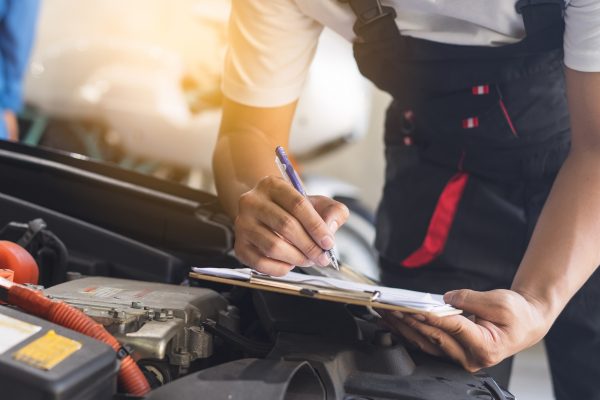
A customer drops off a car three months after purchase and asks for a refund. You might have a right to repair, but touch a spanner without clear permission and you could turn a winnable case into an unwanted rejection.

Read our disclaimer keyboard_arrow_down

This website content is intended as a general guide to law as it applies to the motor trade. Lawgistics has taken every effort to ensure that the contents are as accurate and up to date as at the date of first publication.

The laws and opinions expressed within this website may be varied as the law develops. As such we cannot accept liability for or the consequence of, any change of law, or official guidelines since publication or any misuse of the information provided.

The opinions in this website are based upon the experience of the authors and it must be recognised that only the courts and recognised tribunals can interpret the law with authority.

Examples given within the website are based on the experience of the authors and centre upon issues that commonly give rise to disputes. Each situation in practice will be different and may comprise several points commented upon.

If you have any doubt about the correct legal position you should seek further legal advice from Lawgistics or a suitably qualified solicitor. We cannot accept liability for your failure to take professional advice where it should reasonably be sought by a prudent person.

All characters are fictitious and should not be taken as referring to any person living or dead.

Use of this website shall be considered acceptance of the terms of the disclaimer presented above.

You sell a vehicle. A few months later, a consumer drops it off with a fault and asks for a refund. What do you do?

First, you need to determine what the fault is and whether it could have been present or developing at the time of purchase. The reverse burden of proof applies between 30 days and six months after purchase.

Within the first 30 days, and again after six months, this burden shifts to the consumer to prove that the fault was present or developing at the time of purchase.

For this example, the vehicle was returned to you three months after purchase. Because this is after the first 30 days but within six months, the trader’s single repair opportunity can apply if proportionate.

Now, if you have not repaired the vehicle previously, traders have one opportunity to repair the vehicle, unless the repair is impossible or is uneconomical in comparison to the other remedies available to the consumer. Let’s imagine this repair is possible and is not uneconomical.

Despite the consumer not being entitled to a refund, and even if you have your first opportunity to repair, this does not give you the right to repair the vehicle without the consumer’s permission.

If a consumer requests a refund, whether that request is valid or not, and you repair the vehicle without their permission, you may be deemed to have accepted the rejection.

As a trader, you need to obtain permission for the repairs to be carried out before the vehicle is repaired, no matter how small they are. Preferably, you should get this in writing (either via email, text or letter) to ensure no miscommunication going forward.

If you have had the same issue or a similar problem, why not call our legal team at Lawgistics? Our helpline can talk it through, and our casework service can handle it for you.

HowdenCompetitive, comprehensive, quick

One of the largest independent specialist motor trade brokers in the UK. Our extensive history of supplying insurance to the motor trade means we understand your business needs. By partnering with a specialist insurance broker like us, you get exactly what you need to protect your business.


Kimberly StickleySolicitorRead More by this author

Related Legal Updates

Experts vs. “Garage Reports”: The evidence edge that could win your case

Garage reports can help, but only CPR Part 35 expert evidence tends to swing a dispute. Before costs spiral, here’s how and when to use experts to protect your position with consumers, businesses, and finance companies.

“Running Well”: Two words that cost a consumer £3,300

The judge found our member’s repairs were sound and ruled the email undercut the later allegations, dismissing the claim and awarding expenses.

The photo you didn’t take could cost you thousands

Proving a vehicle’s condition at handover is the difference between recovering costs and footing the bill.

They Broke It, You Don’t Pay: Intervening Acts that defend dealer claims

When damage stems from what a customer did after purchase, you may not be on the hook.

Is the legislative framework outdated or misunderstood?

A claimant mixed pre-2015 laws with a post-2015 car purchase and the result was, frankly, embarrassing.

Come On, Baby, Light My Fire

If a car goes up in smoke, does the buyer’s insurance mean the trader escapes liability? Here’s how insurer involvement really works…

Don’t Get Soaked: The Habitation Checks That Stop Motorhome Rejections

Buyers are rejecting motorhomes for damp, leaks and unsafe cabins. Here’s what to inspect in the habitation area and why a simple pre-sale check can save you a costly Consumer Rights Act dispute.

Get in touch

Complete the form to get in touch or via our details below:

Phone
01480 455500
Address

Vinpenta House
High Causeway
Whittlesey
Peterborough
PE7 1AE

By submitting this quote you agree to our Terms & Conditions and Privacy & Cookies Policy.

This site is protected by reCAPTCHA and the Google Privacy Policy and Terms of Service apply.