Although the majority of our cases involve the sale of a motor vehicle, we do also have a number of clients who deal solely with repairs and other automotive services.
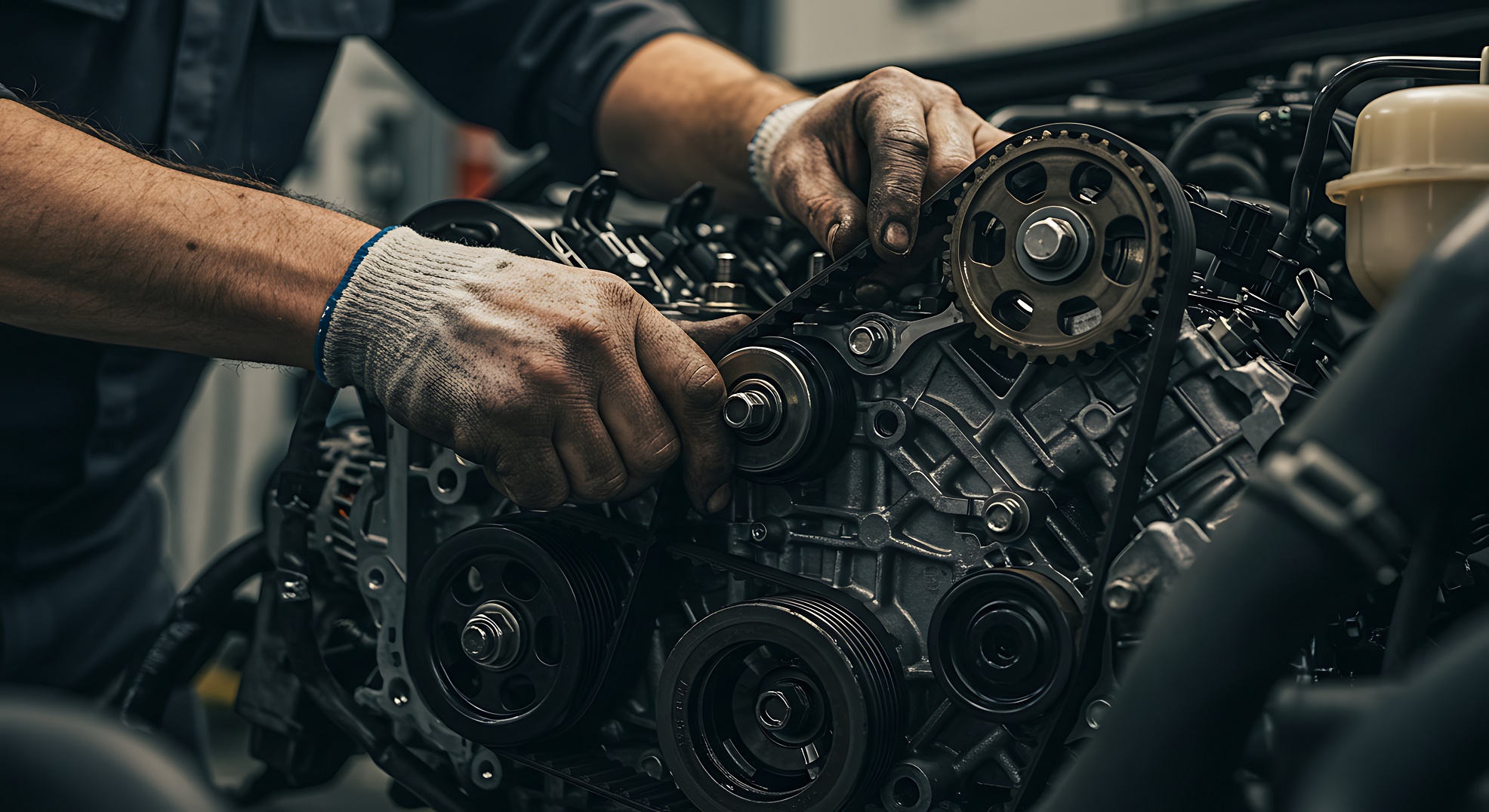
We had a court case recently where the Claimant issued proceedings against our client, alleging that they had failed to correctly inspect the vehicle when instructed to replace the timing chain, and in doing so missed a damaged big end bearing in the bottom of the engine.
The Claimant refused to collect their vehicle and refused to pay the invoice for £4,097.16. The vehicle was kept in storage, accruing daily.
Our client maintained that they carried out the repair in accordance with normal practice, based on what they knew and what they had been told by the Claimant at the time the vehicle was left with them.
Specifically, before the vehicle was brought in, the Claimant had a conversation with our client in which they were asked about the history of the vehicle, in particular if there were any noises with the vehicle, or problems leading up to the engine not starting. The Claimant confirmed the engine would not start that morning, but had been fine the previous day.
Based on this, our client did not see any need to inspect the bottom of the engine, which would have added 3-4 hours of labour to the invoice, but simply replaced the timing chain as that had failed. The engine was not running at this stage.
The work was carried out using BMW genuine parts, using the BMW technical advice provided.
It was only after the timing chain was replaced, and the engine started, that the dull thudding from the bottom of the engine could be heard.
The Claimant was called in to listen to this thudding and at that stage the Claimant revved it loudly in the car park causing further damage, before leaving and refusing to pay.
The Judge, when summing up, said that the timing chain work was carried out correctly, and as specified by BMW. They determined that given the evidence it was not appropriate to incur additional time and cost in inspecting the bottom of the engine when the Claimant reported it was driving fine, without issue, the day before the chain failed.

Leading experts in print, promotional clothing, staff uniforms, branded merchandise and PPE. Involution is your brand partner for promotional marketing and workwear, a one-stop-shop for your branded marketing needs for any business size and industry.
The Judge concluded:
“I am satisfied the garage acted with reasonable care and skill and undertook the work agreed to be undertaken. It is not wholly unusual when work is undertaken other issues were found, there was a catastrophic failure and it is not unreasonable to consider that the vehicle may not be running perfectly and, it is reasonable that in undertaking work the garage found further work required. I find in favour of the Defendant.”
The Judge accordingly dismissed the Claim, entered judgment on the Counterclaim for the invoiced work of £4,097.16, and awarded £500 for storage charges, plus court fees and interest.
Our client helped enormously by keeping detailed notes of what was said, what was done, and why, allowing the Judge to more easily come to the right conclusion.
If you are facing a similar repair dispute or non-payment issue, our Lawgistics legal team can support you via our telephone helpline or casework service.
There were no surprises. Everything in its right place.