Claim Dismissed: No Proof of Fault at Purchase

legal updates

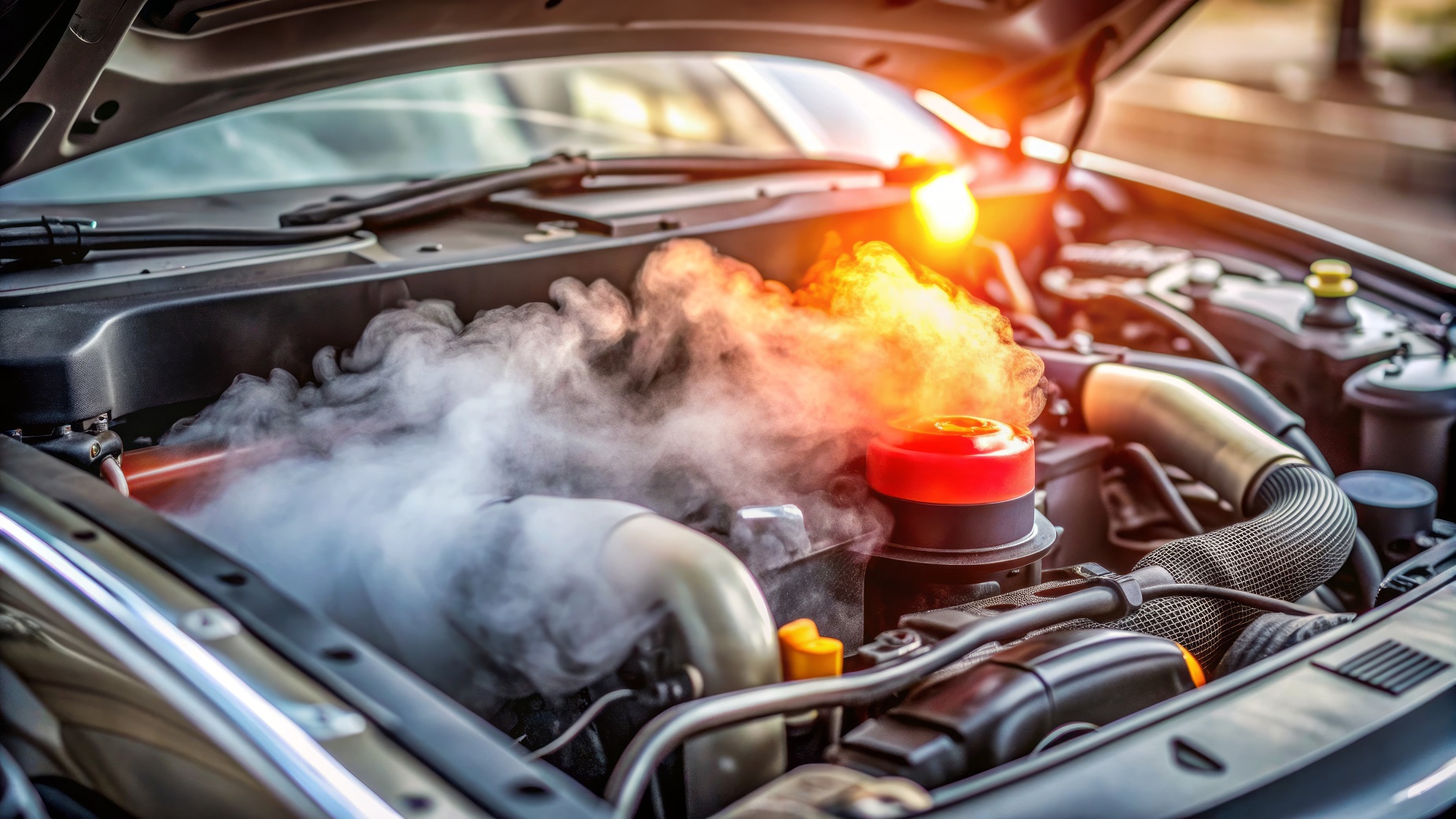
Our member argued that numerous issues could have caused the overheating and ultimate failure.

Read our disclaimer keyboard_arrow_down

This website content is intended as a general guide to law as it applies to the motor trade. Lawgistics has taken every effort to ensure that the contents are as accurate and up to date as at the date of first publication.

The laws and opinions expressed within this website may be varied as the law develops. As such we cannot accept liability for or the consequence of, any change of law, or official guidelines since publication or any misuse of the information provided.

The opinions in this website are based upon the experience of the authors and it must be recognised that only the courts and recognised tribunals can interpret the law with authority.

Examples given within the website are based on the experience of the authors and centre upon issues that commonly give rise to disputes. Each situation in practice will be different and may comprise several points commented upon.

If you have any doubt about the correct legal position you should seek further legal advice from Lawgistics or a suitably qualified solicitor. We cannot accept liability for your failure to take professional advice where it should reasonably be sought by a prudent person.

All characters are fictitious and should not be taken as referring to any person living or dead.

Use of this website shall be considered acceptance of the terms of the disclaimer presented above.

A low coolant warning light showed within a week of the purchase of a nine-year-old Volvo and was returned to the dealership which drained and topped up the coolant.

The warning light reappeared just over six months later and the Claimant took the vehicle to a third-party mechanic who did the same thing, drained and topped up the coolant. A month later, the Claimant was told by a main dealer the vehicle required a new engine. The Claimant issued proceedings against our member for the full cost of the vehicle. 

In cross-examination, the Claimant accepted it was more than six months from purchase when the fault occurred and that she had driven 10,000 miles between the first warning light and the next. The Claimant argued that on the balance of probabilities, the warning light that appeared shortly after purchase was indicative of the fault that eventually led to the failure of the vehicle. 

In his evidence, our member argued that numerous issues could have caused the overheating and ultimate failure, and the water coolant warning was not necessarily the same issue. Our member argued that given the period of time before the fault occurred and the lack of expert evidence, the Claimant has not discharged her burden of proof given that more than six months had passed since the purchase. 

There was concern from the court over the same warning light being illuminated shortly after purchase and again before the fault, but agreed with our member that on the balance of probabilities, the Claimant would not have been able to cover 10,000 miles with an underlying fault and no further warning light being activated. The car was by no means an old wreck, but an older car of nine years old. Within a week, the low coolant warning light came on, and the Claimant returned it to our member, who topped up the coolant.

The car then functioned for over six months until the light came back on. The Claimant took it to a third party who drained and refilled the coolant. The light came back on after a few more weeks, and she took the vehicle to a main dealer who found a problem with the cylinder head and concluded it needed a replacement engine, rendering it beyond economic repair. 

The judge accepted the Claimant’s evidence about dates and warning lights. However, the main dealer diagnosis did not deal with the underlying problem, how or why it would arise, and whether they considered it was present at purchase. 

The Claimant argued a conclusion could be drawn that a fault was present at purchase due to the continuity of the warning light and that it provided a link between the two events. The judge was sympathetic to the Claimant, but could equally see our member’s point that there could be other problems and that the warning light hadn’t come back on for six months, so showed no indication of a continuing problem. The judge found it was not low coolant that had caused the failure but overheating, and that it was not present until more than six months after purchase. 

The case against our member was dismissed.

Connected Car FinanceReady to take the connected approach?

We’re here to ensure all used car dealerships deliver a better car finance experience for their customers. With over 4,000 approved dealer partners we ensure you are properly supported and connected with a range of flexible finance options, allowing you to lend and your customers to buy in complete confidence.

Polly DaviesLegal AdvisorRead More by this author

Related Legal Updates

Can You Really Claim for That? Remote Losses and the Line the Courts Draw

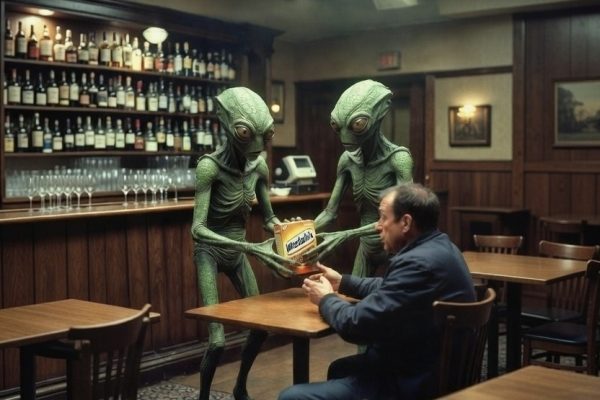
Ever had someone claim something so far-fetched you’d swear it came from a pub rant about aliens?

Refund and Repairs? The Hidden Trap in Overreaching Civil Claims

Customers often try to claim a refund, repairs, and compensation for inconvenience all at once, but the courts rarely indulge “Earth, Moon and stars” claims.

County Court Chaos: When the Portal Fails and Justice Falters

When the County Court portal went down minutes before a 4pm deadline, the response we received summed up a wider problem users now face.

To strike or not to strike

Courts are reluctant to strike out a claim or defence, even where there are procedural breaches. Here’s when CPR 3.4(2) genuinely applies, why summary judgment under Part 24 may be a better route, and what judges look for before taking the drastic step.

Don’t Ignore That Claim Form: How to stop enforcement and protect your credit

Got a claim form through the door? Here’s what to do first, how to avoid a County Court Judgment, what happens if enforcement starts, and when it’s smarter to settle and move on.

Default judgment but no claim form?

Here’s how to act quickly, get the paperwork you need, and give yourself the best chance of setting the judgment aside under rule 13.3.

Importance of taking your customers’ details!

Garages aren’t legally required to take a customer’s address before repair or sale, but skipping it can stall Torts notices and court action when vehicles are abandoned or not collected.

Get in touch

Complete the form to get in touch or via our details below:

Phone
01480 455500
Address

Vinpenta House
High Causeway
Whittlesey
Peterborough
PE7 1AE

By submitting this quote you agree to our Terms & Conditions and Privacy & Cookies Policy.

This site is protected by reCAPTCHA and the Google Privacy Policy and Terms of Service apply.