Gomez Addams liked to smash his model trains, deliberately setting them up to run into each other and scatter carriages everywhere. Sim City used to give you the option to have any number of fun events (tornadoes, alien invasions) blast your carefully laid out city. And why does anyone set out dominoes except to knock them down?
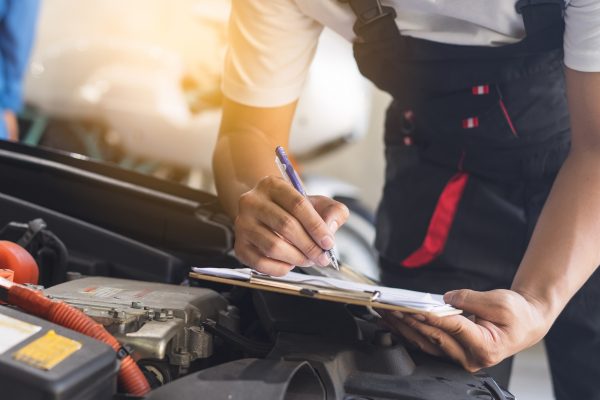
What all these have in common, besides being fun (model train enthusiasts may disagree), is that they all require an intervening act on your part to happen. Otherwise, your trains will run round and round. The Sims will go about their digital lives, and the dominoes will probably end up in an exhibition at the Tate Modern. With vehicles too, there are times when some action by the customer, or a third party, is responsible for the damage a vehicle has incurred. Sometimes this may be that the customer has tried to jump-start the vehicle, damaging the electronics; or they’ve driven the vehicle at a far greater rate than it has been used to; or they’ve failed to ensure the vehicle has enough oil. Whatever the reason, if it can be shown that an intervening act has occurred, an argument can be made that you, as a dealer, are not responsible for the damage the customer is now complaining about.
While such acts can occur within only a few months of a customer owning a vehicle, they are more likely the longer the customer has owned the vehicle. This is taken into account by the fact that, once six months have passed since the customer took possession of the vehicle, the burden of proof to show that a problem was present or developing at the point of sale transfers to them. This forms a useful line of defence that can sometimes dissuade customers from making a claim in the first place, or induce them to accept reasonable offers in mediation or another form of settlement.
Even in situations where it looks like you will need to accept the return of a vehicle, there is potential for the sum repayable to the customer to be subject to further deductions than those available under Section 24 of the Consumer Rights Act 2015. This is through the application of Diminution in Value, based on the precedent of Coles v Hetherton [2013] EWCA Civ 1704, which holds that where a vehicle has incurred damage reducing its potential value on resale, a sum can be awarded to reflect this. This is particularly acute if it is revealed that the customer suffered a collision while using the vehicle.
Such an argument is always worth considering, though the aim of attributing issues to an intervening act is that the customer either redirects their claim or abandons it altogether. Being able to apply doctrine and precedent in this way is just one of the ways that Lawgistics can help you resolve complaints or claims from customers. If you have had the same issue or a similar problem, why not call our legal team at Lawgistics for guidance through our telephone helpline or casework service.

Leading experts in print, promotional clothing, staff uniforms, branded merchandise and PPE. Involution is your brand partner for promotional marketing and workwear, a one-stop-shop for your branded marketing needs for any business size and industry.